Arena100
I designed a mobile-first fitness network that connected gyms, athletes, and personal trainers into a social, community-driven platform tailored specifically for gym culture.

CLIENT
Arena100
SERVICE PROVIDED
Product Design, UX/UI
TIMELINE
3 Months
Where Gyms Became a Digital Community
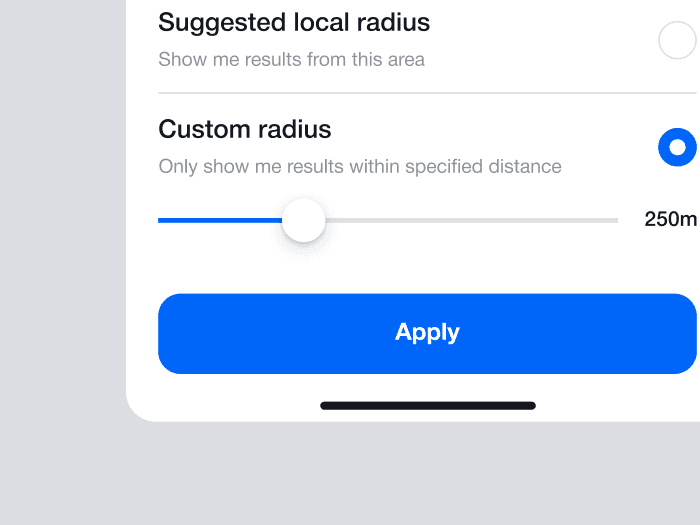
The project focused on building a mobile platform that brought together gyms, fitness enthusiasts, and personal trainers into a single connected ecosystem. Released on iOS and Android, the app allowed users to discover nearby gyms, connect with people who trained there, and participate in a community built entirely around fitness. Unlike traditional social platforms or workout trackers, this product was designed specifically for people who live and breathe the gym.
Why Fitness Didn’t Belong on Instagram or LinkedIn
Early on, it became clear that the real opportunity wasn’t just gym discovery, it was creating a dedicated social space for fitness. People were already sharing workouts on Instagram and networking on LinkedIn, but those platforms were never designed for gym culture or professional training. At the same time, licensed trainers lacked a meaningful way to present themselves and connect with motivated clients. The platform aimed to solve both sides of this problem.


Turning Workouts into a Social Experience
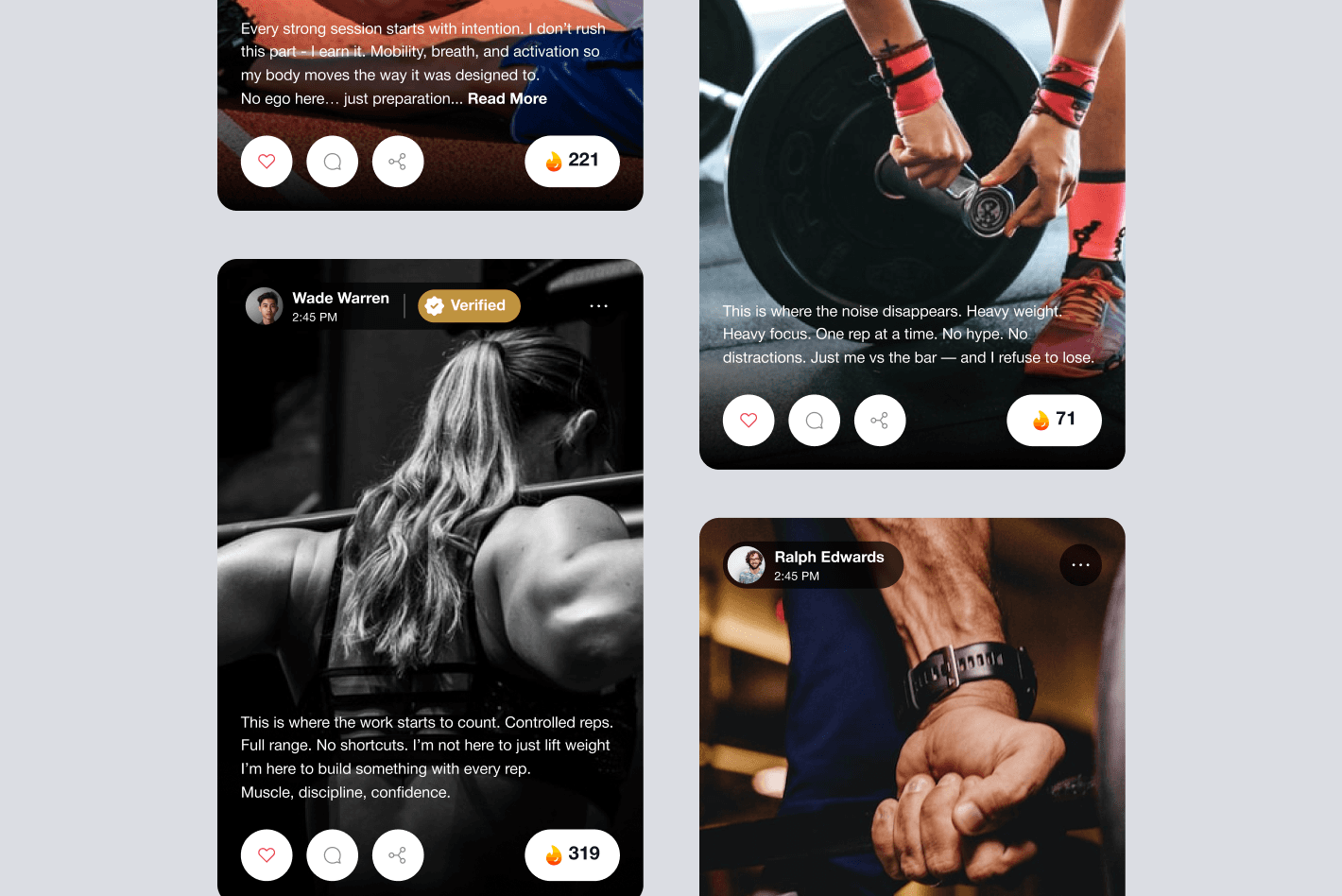
At the heart of the product was the idea that fitness is social. Users needed more than a directory of gyms, they needed a place to follow others, post content, message people, and feel part of a local training community. Trainers needed a professional layer that allowed them to showcase their expertise, build a reputation, and offer paid coaching. The experience had to feel as refined and intuitive as mainstream social networks, but tailored to fitness.

Learning How the Fitness World Really Operates
To make sure we were solving the right problems, we studied how people currently used social media for workouts, how they chose gyms, and how trainers marketed themselves. This research highlighted the gap between generic platforms and what fitness-driven users actually needed. Those insights shaped everything from the structure of profiles to the way gym pages and social feeds were designed.
One Platform, Two Very Different User Types
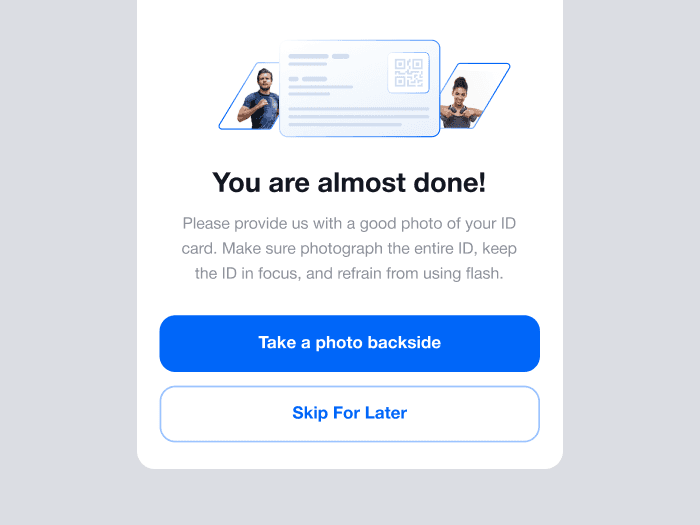
Designing for two distinct audiences required a carefully balanced system. I worked on defining the flows, information architecture, and interaction patterns that supported both everyday gym-goers and licensed trainers without fragmenting the experience. The challenge was to make the platform feel simple and social while still supporting professional use cases like hiring a trainer.

Shaping the Product Through Real-World Feedback
Throughout development, we moved through multiple cycles of prototyping, usability testing, and iteration. Feedback helped refine how users discovered gyms, followed each other, booked trainers, and shared content. Each round made the platform feel more cohesive and closer to what people expected from a modern social product.
From App to Fitness Network
By the time the app launched, it had become a two-sided fitness network. Regular users could find gyms, connect with others, and stay motivated through community, while trainers could build visibility, manage clients, and grow their business. The product combined the familiarity of Instagram, Facebook, and LinkedIn with a purpose-built fitness experience.

Designing for a Lifestyle, Not a Demographic
Looking back, this project reinforced the power of designing around a specific lifestyle rather than a generic audience. By grounding the platform in the real needs of gym users and trainers, we created something that felt relevant, local, and genuinely useful. It showed how thoughtful product design can transform a focused idea into a scalable, community-driven platform.


