Marketing
Copywriting
Partnership Success Story

Written By
Jaro Buczkowski
Dec 25, 2025
A behind-the-scenes story of how a chaotic VOD product evolved into a well-structured, partner-driven project, collaborative design, and how we turned vague ideas into a scalable, real-world digital product.
How a Struggling Product Turned Into a True Partnership
Every digital product starts with an idea, but not every project begins with alignment. This one certainly didn’t.
When I joined the collaboration between Jaro and Earthlink, the intention was good, but the execution was already shaky. During the first calls, Ali mentioned that the user stories were ready. In reality, what existed was little more than a spreadsheet with a few “Must Have” checkboxes marked. There was no structure, no context, and no shared understanding of what the MVP was supposed to be.
This is a familiar situation for many experienced product designers: the project looks organized on the surface, but underneath, there is no real product definition. And without that, every design decision becomes guesswork.
So the first thing I focused on was not drawing screens, but fixing the foundation.
Turning Vague Ideas into Real Requirements
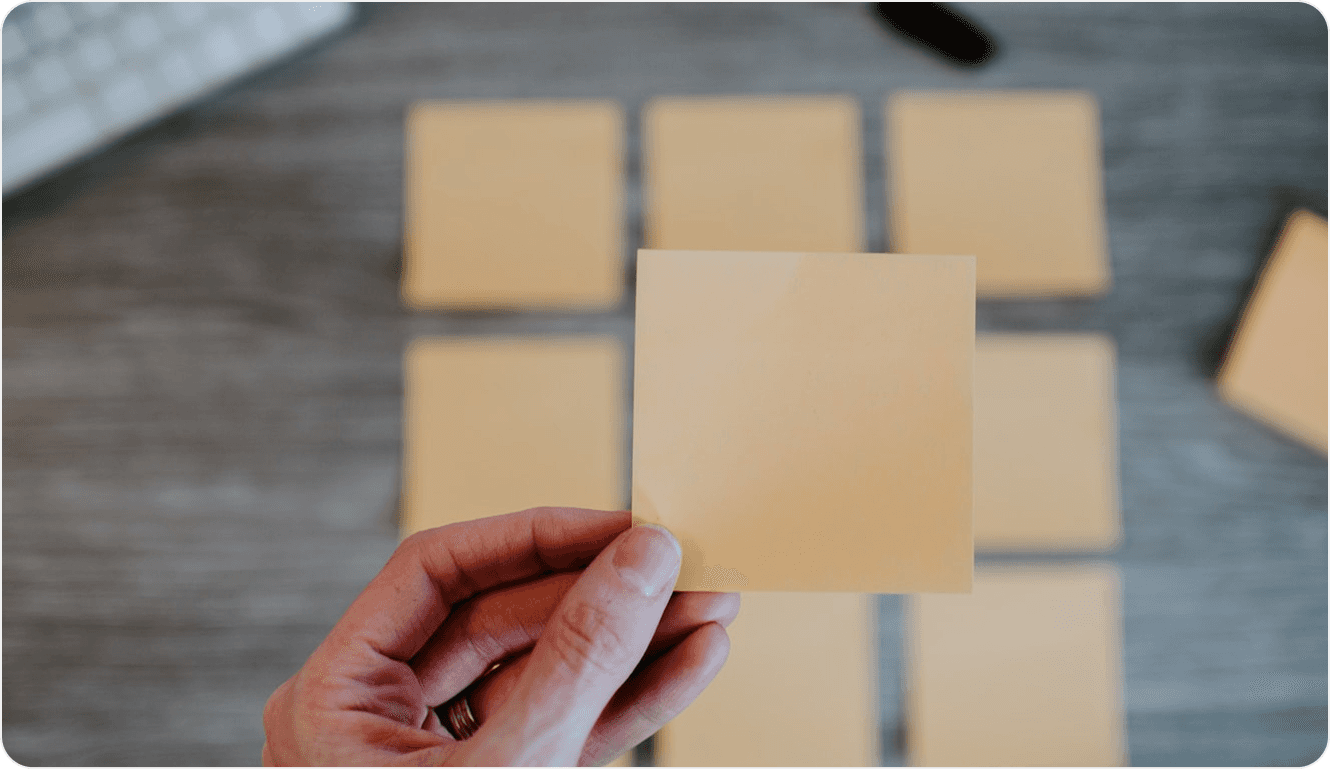
To move the project forward, I introduced a structured way of capturing requirements through User Stories. I provided a template that allowed the partner to describe each feature in a meaningful way: what it does, who it is for, and why it matters.
This immediately improved communication. However, even with this improvement, the stories still lacked enough detail to build a robust information architecture. They were better than before, but not yet strong enough to fully support UX design.
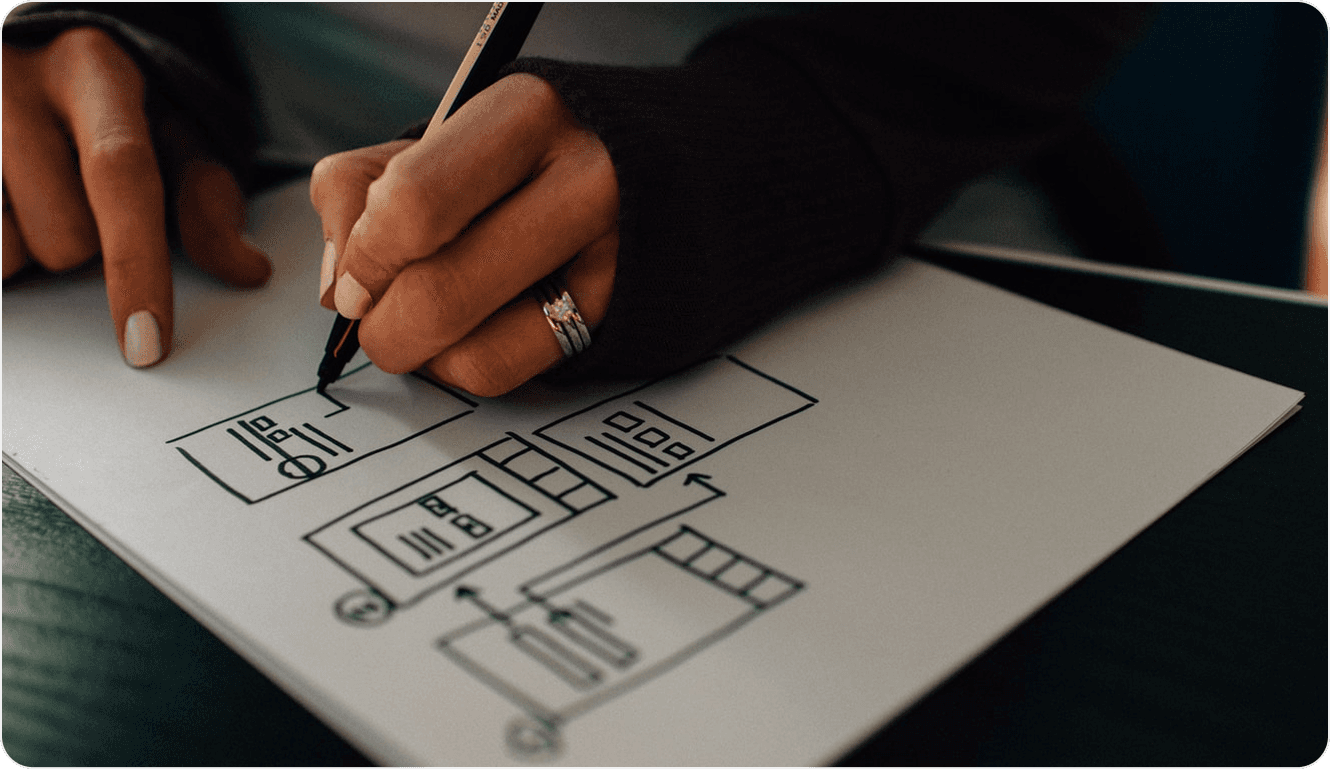
Still, they gave me just enough material to create an initial hypothesis of the product’s structure. Based on these early stories, I drafted a first version of the Information Architecture and User Flows, and supplemented this with market research into VOD and TV streaming platforms. Studying existing patterns in streaming apps helped validate what was likely to work - and what would create friction.
Introducing Information Architecture to the Client
The next major step was presenting the Information Architecture and User Flows to Ali and Sura. This was more than a design review - it was an educational moment.
We talked through what Information Architecture really is: a way to map the product’s structure before designing a single screen. We discussed how user flows act as a skeleton of the app, showing how people move from one goal to another. I explained how much time and money this approach saves by preventing rework later in UI and development.
This wasn’t just theory. As we reviewed the diagrams together, both Ali and Sura began to see their own product more clearly. They started asking better questions, noticing gaps, and understanding the complexity of what they were building.
By the end of this phase, they were no longer just approving documents - they were actively engaged in shaping the product.
From Structure to Experience: UX Wireframing
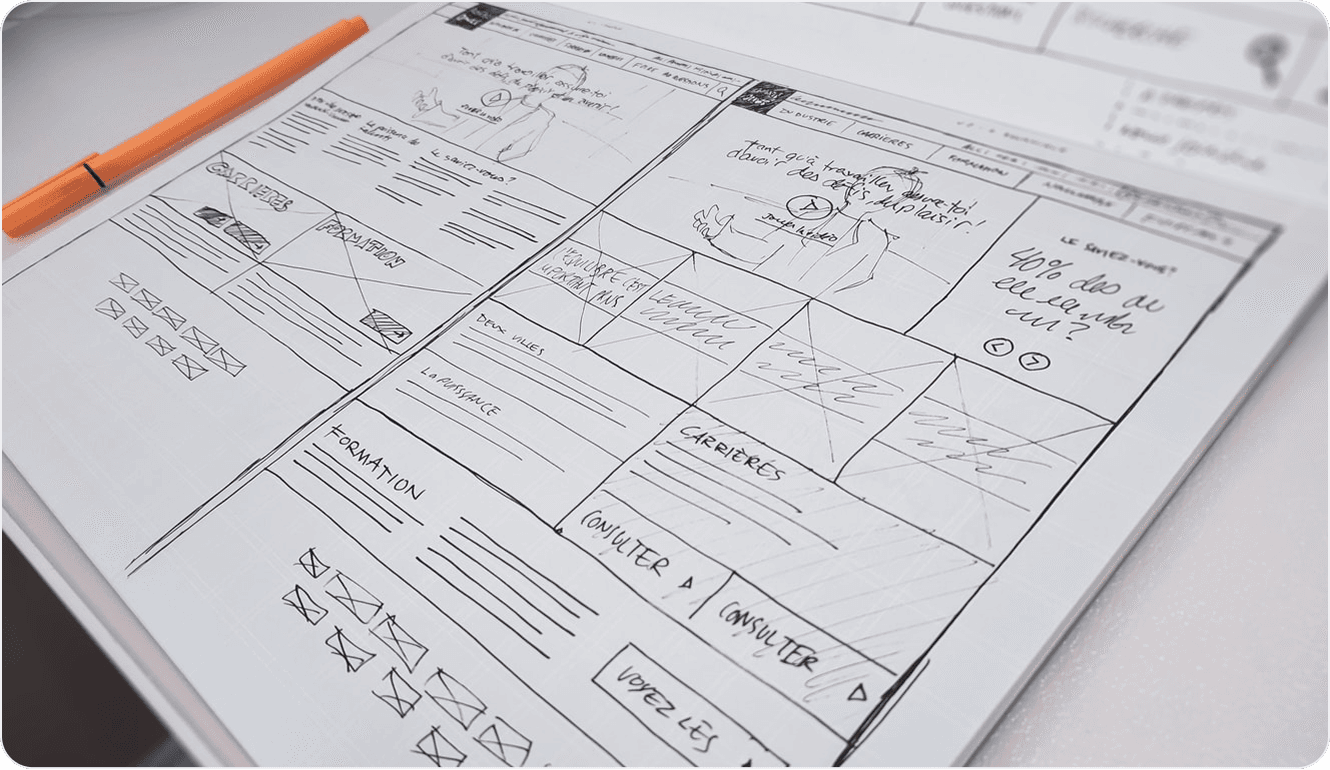
With the information architecture and flows in place, I moved into UX wireframing. These early layouts were not meant to be beautiful; they were meant to be honest. They showed how the product would work, how content would be organized, and how users would complete key tasks.
What made this phase especially powerful was how collaborative it became. Through a series of focused sessions, we refined the scope of the MVP together. As we walked through the wireframes, new questions emerged - and with them, new insights.
Several critical flows appeared that nobody had previously considered. These were not edge cases; they were essential parts of the experience that had simply been invisible until the product was visualized in this way. This is what I often call research through design: by building something, you discover what was missing.
By the end of wireframing, we had a clear, realistic blueprint for the MVP of the VOD and TV streaming app.
Designing the Interface
Once the UX was validated, I translated the wireframes into a full UI design, aligned with the branding that the client had provided. Because the structure was solid, this phase went smoothly. Only minor visual adjustments were needed, and the overall response from Ali and Sura was very positive.
At this point, I also began working closely with both Android and iOS developers. We discussed how components would be implemented, how native elements should be used, and how design tokens and layouts would translate into real code. This early technical alignment made the later handoff significantly easier.
The result was a clean, accessible, and technically realistic interface, ready for development.
A Smooth Handoff to Development
When the designs were ready, I coordinated the handoff with both mobile teams. We went through how to extract specifications from Figma, how to use native components where appropriate, and how the layouts should scale across different screen sizes.
This kind of collaboration builds trust. Developers felt supported rather than overwhelmed, and they knew that the design was built with their realities in mind. From that moment on, the product stopped being just a design - it became something that was actively being built.
A New Scope, and a New Relationship
A few weeks later, something remarkable happened.
Sura came back with a completely new scope for the next phase of the product. This time, every feature was documented as a proper EPIC in Jira, complete with tasks and even subtasks. The requirements were no longer vague ideas - they were structured, detailed, and technically aware.
This was not a coincidence. It was the result of everything that had happened earlier: the workshops, the IA, the flows, the wireframes, and the conversations. The client had learned how to think about products, not just features.
Even more importantly, the relationship had changed. This was no longer a dynamic of “client giving orders to a designer.” It had become a partnership - two sides discussing priorities, constraints, and solutions together.
Designers from the Earthlink team even started joining the calls, not to supervise, but to learn the process and apply it to their own work.
What This Project Really Proved
This project was never just about a VOD platform.
It was about what happens when design is used not as decoration, but as a thinking tool. When you invest in discovery, structure, and collaboration, something powerful happens: confusion turns into clarity, and clients turn into partners.
And that is what real product design looks like.
Newsletter
Enjoyed this read? Subscribe.
Discover design insights, project updates, and tips to elevate your work straight to your inbox.
Unsubscribe at any time
Written By
Jaro Buczkowski
Updated on
Dec 25, 2025